
31°C, New York


Notification products, updates
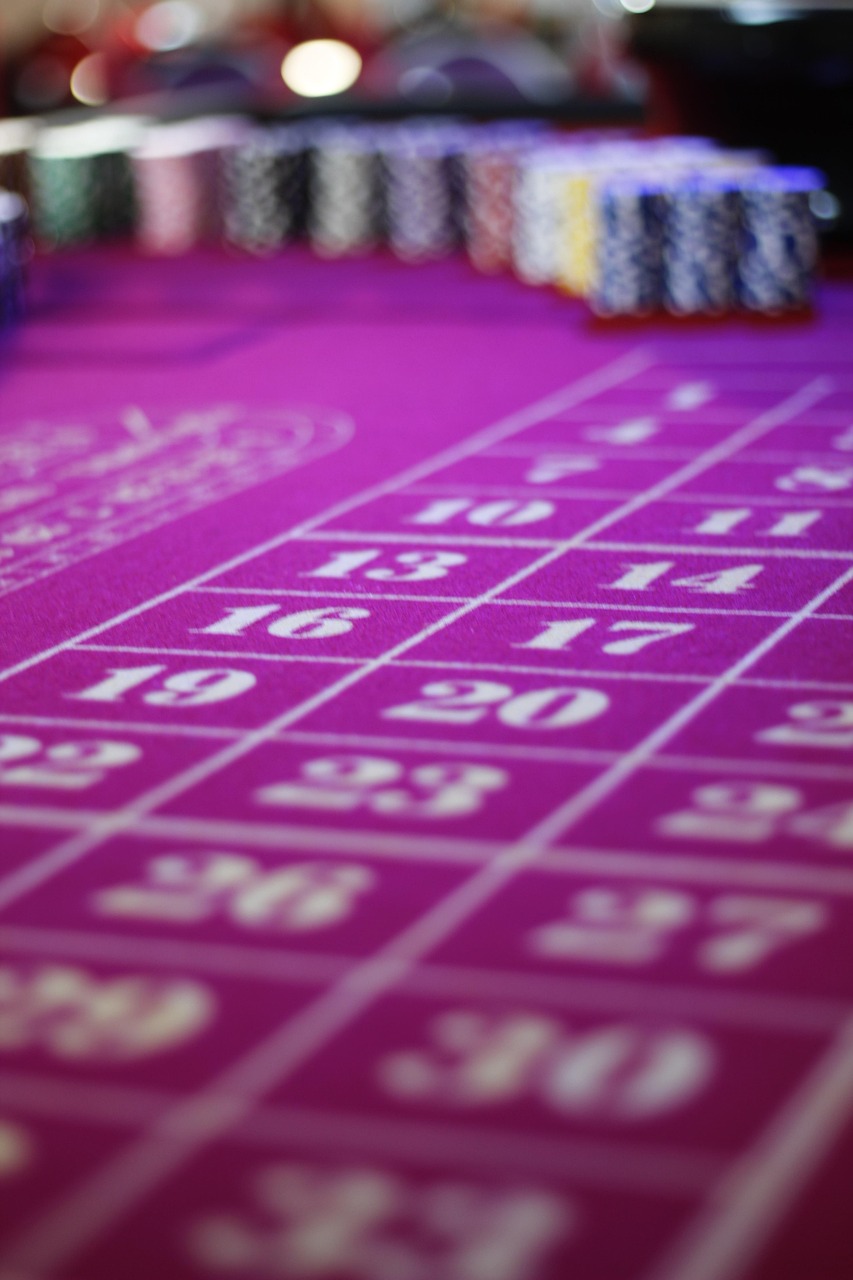
Every casino floor tells the same joke: a gambler walks up to the roulette table, loses his shirt, and shrugs, "Well, the house always wins." He's right, of course — mathematically, over millions of spins, the casino comes out ahead. But that grim little proverb hides a fascinating truth: some players absolutely do win. Not through luck charms or hot streaks, but through understanding exactly where the edge lives, how big it is, and whether it's worth chasing. That distinction between a gambler and a player is what separates someone who donates money to a casino and someone who builds a genuine edge.
Let's talk about what that actually looks like across slots, table games, poker, and sports betting — and why one of those categories is fundamentally different from the rest.
Every casino game has a built-in mathematical advantage for the operator. This isn't a conspiracy; it's the business model. The question is simply how big that advantage is, because it ranges from less than 1% to a brutal 25% depending on what you play.
See the spread? Two players can walk into the same casino with the same $500 and face completely different long-term expectations. The person grinding penny slots is essentially paying a 10% entertainment tax. The person playing basic-strategy blackjack might lose $25 on average over that session — and honestly, that's a cheap night out.
This is the first real lesson: game selection is more important than betting strategy. You can't out-bet a bad paytable.
Slots are the most popular games in any casino, and also the most misunderstood. Let's clear up a few things.
Modern slot machines are driven by random number generators (RNGs). Every spin is independent. There is no "due" jackpot, no machine that's "hot," and no pattern in when a bonus round appears. The spinning reels are theater; the outcome was decided the instant you hit the button.
What you can control is volatility and RTP (return to player). High-volatility slots pay rarely but potentially huge. Low-volatility slots pay constantly in small amounts, draining your bankroll slowly. Neither is inherently better — it depends on whether you want a long grind or a shot at something big.
A genuinely useful tip: in land-based casinos, manufacturers are often required to publish RTP figures, and they frequently vary between jurisdictions. A slot that returns 96% in one market may return 88% in another. Online, RTP is usually listed in the game's help screen. Don't play anything above 94% variance without knowing the number. It sounds boring. It saves money.
Here's the crucial difference: in poker, you're not playing against the house. You're playing against other players, and the casino takes a small rake. That means a skilled player can have a positive expected value — something you cannot achieve in roulette or slots.
But "skilled" is doing a lot of work in that sentence. Poker has layers most newcomers never see: You can read more about it on http://ok68.tv/.
A competent micro-stakes player might grind out 2–5 big blinds per 100 hands. It's tedious, unglamorous, and utterly consistent. That's what a real edge looks like.
Sports betting feels more skill-based than casino games because you're analyzing teams, players, injuries, form. And genuinely, it is. But the market is ruthlessly efficient at the sharp end.
When you see odds of -110 on each side of a spread, the bookmaker is charging roughly a 4.5% vig. To beat that, you need to be right significantly more than 52.4% of the time. The vast majority of recreational bettors win closer to 48% — which is exactly why the sportsbook is profitable year after year.
Where does edge actually exist? A few places:
What doesn't work is betting your favorite team every weekend and calling it analysis.
Here's the part nobody advertises. Your brain is not designed for probability. It's designed for survival, narrative, and pattern recognition — three things casinos exploit ruthlessly.
The near-miss on a slot reel lights up the same reward circuits as an actual win. Losses framed as "almost" keep you spinning. Cashout buttons exist because they exploit loss aversion. And the illusion of control — picking your own numbers, blowing on the dice, "riding the hot streak" — makes random events feel manipulable.
Professionals do the opposite. They pre-commit to session limits. They track results over thousands of bets, not one night. They treat the money as a cost of doing business, not as a verdict on their worth. Most importantly, they walk away when the math is bad — something no entertainment-seeking gambler ever does.
After all of this, the honest conclusion is refreshingly simple. Win or lose, the smartest people in any igaming environment share three habits. They play games where the edge is small or reversible. They treat variance as a long-run concept, not a daily drama. And they know precisely how much they're willing to pay for the entertainment.
The house will always win at roulette, keno, and penny slots. It will frequently lose to disciplined poker players, value-hunting bettors, and blackjack grinders with the discipline to use basic strategy and walk away. The difference isn't luck or intuition — it's understanding the math and choosing your battles with your eyes open.
So the next time you hear someone say the house always wins, ask which house. And ask which game. Because in the fine print of those probabilities lives the entire difference between donating and playing.

Scarlet Nook shares practical, down-to-earth guidance on cosy home interiors and reading corners for readers across the UK.
Stay Tuned With Updates


Leave A Comment